Emergency dentists offer a wide range of services. They can treat abscesses, canker sores, toothaches, and even broken jaws. So if you or a loved one ever experiences one of these issues, don’t hesitate to make an appointment.
Treating a toothache
If you are in pain, getting to an emergency dentist North Shore as soon as possible is always a good idea. Emergency dental care can relieve serious oral health needs like an abscessed tooth.
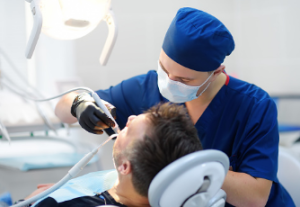 A toothache can be a debilitating and annoying affliction. It can make eating, talking, and sleeping impossible. However, you can use several tricks to minimise the discomfort you experience.
One of the simplest ways to get a jump on the pain is to rinse your mouth regularly with water. It helps keep bacteria at bay, reducing the likelihood of an infection. Another helpful trick is to use a mild pain reliever. Finally, using a topical solution on your teeth will help alleviate the discomfort associated with a toothache.
Taking a cold compress is another way to deal with a throbbing toothache. An ice pack wrapped in a towel is a convenient solution. Applying this oh-so-cool treatment for at least 20 minutes will soothe the aches and pains.
Peppermint tea bags are also suitable for a quick pick-me-up. Tea bags have natural pain-relieving properties. For the best results, apply the pack to the affected tooth and allow it to cool down for at least a few seconds. While these methods may provide immediate pain relief, they should only be used as a last resort.
Choosing a dentist is the first step in finding a cure. After that, you can choose from various practices that offer same-day appointments.
You can always call ahead to ensure you attend your appointment. Some dental offices will reserve a seat for you.
Treating an abscess
You should seek immediate dental care when you have an abscess in your mouth. The condition can be dangerous if left untreated.
Dental abscesses are caused by bacteria that live in the oral cavity. The bacteria eat away at the enamel of the teeth. They can also enter through trauma.
Abscesses are extremely painful and can cause complications. Your dentist or medical doctor can relieve pain and stabilise you with antibiotics.
If you’ve had an abscess, you may experience facial swelling, a fever, and difficulty breathing. Having an abscess in your mouth can also damage surrounding bone and teeth.
An emergency dentist can drain the abscess and eliminate the infection. During this process, a small incision will be made to the gum to access the abscess. Once the condition is exhausted, a saline solution will clean the area.
After the area is clean, the emergency dentist will close the incision. They will also use an X-ray to determine the location of the abscess.
In many cases, the dental abscess will require surgical drainage. A maxillofacial surgeon usually performs this process. In addition, a dentist can provide anesthesia to make the procedure more comfortable.
X-rays are essential to diagnose the extent of the infection and the abscess size. It is also helpful to have an X-ray to check for a cavity.
Dental abscesses are not typically spread from person to person. However, they can travel to other body parts if left untreated.
In most cases, dental abscesses should be treated promptly to avoid severe and expensive consequences. Contact your dentist or emergency dentist immediately to get treatment for your abscess.
Treating a broken jaw
A broken jaw can be a painful experience. However, it can also be a symptom of a more severe condition. Therefore, it is crucial to treat it as soon as possible. By doing so, you can reduce the pain and prevent complications.
When a fracture is noticed, the most obvious thing to do is see a doctor. During your visit, you may need to undergo a physical exam, X-rays, or a CT scan to determine the extent of the injury.
Although not required, blood tests can help determine the severity of a break. In addition, your doctor can help you decide whether you need to take antibiotics, which can reduce the risk of infection.
An emergency dentist can offer advice and treatment and help with recovery. In addition, they can prescribe pain relievers and test your jaw’s stability.
In cases of more severe breaks, your doctor may recommend surgery. Surgical options may include wires or plates to hold your jawbone together and prevent it from moving. The wiring is usually in place for six to eight weeks but can be removed with a pair of wire cutters.
It would help if you did not put pressure on the jaw while healing. Using soft pillows is helpful. Additionally, you can apply ice to the area to control swelling.
Treating tooth decay
When a tooth becomes infected, a dentist may recommend a root canal. Alternatively, the tooth may need to be removed. It can have severe consequences for your health.
Tooth decay can be treated with a fluoride treatment. Fluoride can help strengthen your teeth and make them more resistant to acids.
Usually, tooth decay is the result of plaque buildup. Over time, acidic bacteria in the mouth can eat away at your enamel and dentin, causing pain and discomfort.
To avoid these problems, you need to have regular checkups with a dentist. You can also try flossing and using mouthwash. In addition, you should avoid foods with a lot of sugar.
Tooth decay can be hard to detect. However, a simple exam and X-ray can help the doctor determine whether or not your teeth require attention.
A dental abscess is an infection in the gums associated with a decayed tooth. Dental abscesses are typically filled with pus, considered a dental emergency.
Proper dental care can prevent tooth decay and other dental emergencies. Your dentist will give you tips on oral hygiene, such as brushing and flossing. Also, if you are a child, you should have yearly dental checkups.
Getting a cavity fixed is easier than you think. If you see your dentist for a cleaning, you can have a filling in your tooth. This type of treatment is minimally invasive and should last for years.
Putting off visiting a dentist can lead to cavities and other dental complications. Even if you have a mild cavity, you should see your dentist at least once a year.