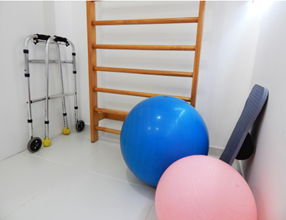
Active children and teenagers spend countless hours running, jumping, training and competing. While sport supports strength, confidence and healthy development, growing bodies can also experience strains, sprains and overuse injuries. For families in Magill and Adelaide’s eastern suburbs, seeing a qualified physio can help young athletes recover safely while addressing the factors that may contribute to recurring problems.
Paediatric physiotherapy can support children with movement, developmental and musculoskeletal concerns, while sports-focused treatment can help young athletes return to their chosen activities. The approach should be age-appropriate, practical and centred on the child’s individual needs.
Why Young Athletes Need Specialised Care
Children and adolescents are not simply smaller versions of adults. Their bodies are continually developing, and their physical abilities, coordination and training demands can change significantly as they grow.
A paediatric physiotherapist considers these factors when assessing an injury or movement concern. Treatment may involve education, targeted exercises, mobility work, strength training and gradual return-to-sport planning.
For families around Magill, Norwood, Rostrevor, Tranmere and nearby eastern suburbs, local access to appropriate care can make it easier to address problems before they interfere with school, training or competition.
Common Problems Youth Sports Physio Can Address
Young athletes can experience injuries from sudden impacts, awkward movements, repetitive loading or increasing training demands. A youth sports physio may help with issues such as:
● Ankle sprains and instability
● Knee pain and sporting injuries
● Muscle strains
● Shoulder and upper-limb injuries
● Hip and groin discomfort
● Movement and coordination difficulties
● Recovery following an injury or surgery
● Gradual return to training and competition
Physiotherapy can also help prevent injury. Healthdirect recommends appropriate warm-ups, suitable equipment, adequate recovery and paying attention to pain or excessive fatigue when children participate in sport.
What to Expect From a Paediatric Physiotherapy Assessment
An initial assessment should look beyond the painful area. The physiotherapist may discuss the child’s sporting activities, training schedule, previous injuries and symptoms before assessing movement, strength, balance and functional ability.
For younger children, communication and engagement are particularly important. A paediatric physiotherapist works with children and families and can adapt exercises and treatment to the child’s age, abilities and goals.
The aim is not simply to reduce pain. A well-designed rehabilitation program can help a young athlete rebuild strength, confidence, and movement capacity before returning to sport.
Supporting Safe Return to Sport
Returning to sport too quickly can increase the risk of re-injury. Instead, rehabilitation should generally progress according to symptoms, physical capacity and the demands of the child’s particular sport.
A physio may recommend a staged progression involving:
1. Managing pain and swelling where appropriate.
2. Restoring comfortable movement.
3. Building strength and control.
4. Introducing sport-specific movements.
5. Gradually increasing training intensity.
6. Monitoring symptoms during and after activity.
Certain injuries require medical assessment or imaging, not physiotherapy alone. For example, significant knee injuries involving giving way, a pop, locking or difficulty obtaining an adequate history in a paediatric athlete may require further investigation.
Youth Sports Physio for Magill Families
Whether your child plays football, soccer, netball, basketball, athletics, tennis or another sport, early assessment can help identify what is contributing to their symptoms and establish an appropriate recovery plan.
For families in Magill and Adelaide’s eastern suburbs, choosing a physio experienced in paediatric and sporting presentations can provide age-appropriate guidance for both the child and their parents.
Help Your Young Athlete Move With Confidence
Sports injuries do not always mean a child needs to stop being active indefinitely. With appropriate assessment, education and progressive rehabilitation, many young athletes can work towards returning to the activities they enjoy.
If your child has persistent pain, a recurring injury or difficulty returning to sport after an injury, book an assessment with a qualified paediatric or sports-focused physiotherapist in the Magill area. Early professional guidance can help your child understand their injury and take practical steps towards a safe return to activity.
—
FAQs
1. When should my child see a physio for a sports injury?
Consider an assessment when pain persists, movement is restricted, an injury keeps recurring, or your child is struggling to return to normal sporting activities.
2. What does a paediatric physiotherapist treat?
A paediatric physiotherapist may work with children experiencing developmental, movement, coordination, musculoskeletal or injury-related concerns.
3. Can youth sports physio help prevent injuries?
Yes. A physiotherapist can identify movement or strength issues and provide exercises, education, and training guidance that may help reduce injury risk.
4. How long does it take to return to sport?
There is no universal timeframe. Recovery depends on the injury, severity, symptoms, age and the physical demands of the sport.
5. Should my child stop playing sports when they are in pain?
Pain should not simply be ignored. Healthdirect recommends stopping an activity that hurts and, where appropriate, seeking advice from a qualified health professional.