A landfill is a location where trash is left to decompose and can be found around the world. These rubbish dump Adelaide facilities can often be located near or adjacent to cities and major industrialised cities.
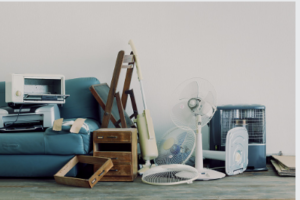 Garbage dump communities are home to vulnerable groups, such as people living in poverty or with illnesses; they rely solely on garbage dumps for survival due to limited alternatives.
What is a rubbish dump?
A rubbish dump is a place for disposing of waste. Typically it consists of an underground pit where waste is dumped before being recycled or disposed of properly.
Australian landfills tend to fill up quickly with such items, so this form of waste is particularly pervasive.
One of the primary functions of landfills is material decomposition. It occurs through aerobic decomposition, using oxygen and nutrients from the air to break down materials into smaller molecules that organisms can utilise. Once aerobic decomposition has been completed, four stages of anaerobic degradation follow, breaking organic material further into methane and carbon dioxide emissions.
Greening machines can also reduce waste by separating materials into compost or other valuable products like energy and biochar.
Greening machines help green the planet and save local communities money by reducing how much garbage needs to be hauled and sorted – an especially critical function in urban environments where recycling bin space is limited, and many residents cannot recycle their rubbish themselves. Furthermore, these machines create jobs and encourage recycling across communities while making this planet greener for all – not to mention being relatively inexpensive to build and operate!
Where does trash go after it’s thrown away?
No matter where the waste ends up – be it in a trash can, dumpster, or dumped onto the curb – all waste must go somewhere.
Most people tend to underestimate the extent of their waste after they dispose of it, yet much of it ends up at a landfill or waste-to-energy plant. Sometimes recycling or composting facilities take it back, however.
Implement zero-waste habits at home and utilise recycling centres or waste-to-energy facilities in your community to make a difference in where our trash ends up. Still, most will end up in landfills without changing how we dispose of our waste.
Households typically spend most of their garbage in landfills, where it sits waiting to decompose. Though landfills may be less desirable alternatives for government waste disposal purposes, they remain an economical solution for disposing of household refuse.
Composting employs bacteria and microbes to break down food waste and other organic material into humus that can then be used as fertiliser for gardens and other projects.
No one knows if we will ever find an ideal solution to our trash issue, but it is worth trying. Texas Disposal Systems may provide invaluable assistance as part of its commitment to helping communities reduce the waste they produce.
What happens to trash once it’s in a landfill?
Trash can go to recycling centres, incinerators and compost piles; however, much of it is in landfills, where its materials slowly decompose in an oxygen-free, sealed environment. Bacteria and microorganisms break down trash to produce methane gas contributing to climate change.
Methane gas collected through pipes is released directly into the atmosphere or burned at certain landfills to generate energy; either method can also release harmful fumes into the air.
Most modern rubbish dump Adelaide are designed to protect groundwater and sensitive environments around them such as groundwater. From the bottom up, they include a clay liner for preventing waste from coming in contact with water, plastic liners that prevent liquid seepage, and two feet thick layers made from soil or other substances to avoid waste movement.
Each landfill features cells where waste can be dumped and compacted (crushed), surrounded by structures designed to collect rainwater, like drainage pipes. Drop-off stations for materials not accepted at landfills, such as paints and chemicals, may also exist.
The soil from decomposed waste can be used for agriculture and landscaping. Furthermore, some landfills feature methane collection ponds to collect by-products of decomposition that can then be sold or burned as energy sources.
What happens to trash once it’s in a transfer station?
Once it reaches a trash can or dumpster, your garbage could make multiple stops before arriving at a landfill – including transfer stations, waste hauliers and county landfills.