Silage covers play a critical role in protecting feed quality and reducing losses for Australian farmers. As the agricultural landscape evolves with new technologies and products, farmers across the country are increasingly sharing their firsthand experiences with various silage covers brands. Their insights provide invaluable guidance to others seeking reliable, durable, and cost-effective solutions suited to Australia’s unique climate and farming conditions.
Why Silage Covers Matter to Australian Farmers
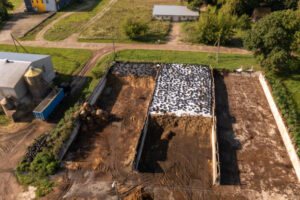
Australia’s diverse climate, ranging from the tropical north to the temperate southern regions, presents distinct challenges for silage preservation. Silage covers are essential in creating an airtight barrier that prevents oxygen and moisture from degrading the feed, ultimately maintaining its nutritional value. Poor-quality or unsuitable silage covers can lead to mould growth, spoilage, and significant feed wastage, which directly impacts farm profitability.
Farmers recognise the importance of selecting silage covers that can withstand intense UV exposure, fluctuating temperatures, and occasional severe weather events. This necessity has prompted many to test multiple brands to find the best fit for their operations.
Farmer Perspectives on Popular Silage Cover Brands
In recent discussions across Australian farming forums and industry events, several silage cover brands have emerged as favourites, though no single brand dominates universally. Here’s what farmers are saying:
1. Polythene Silage Covers: Reliable but Basic
Polythene-based silage covers have long been a staple due to their affordability and ease of use. Many farmers appreciate their flexibility and general durability. However, feedback indicates that while polythene covers can provide effective protection in mild weather, they may degrade more quickly in regions with harsh sunlight and strong winds.
Farmer Mark from Victoria mentions, “Polythene covers have worked well for us in the cooler months, but over a couple of seasons, we saw tears and brittleness in our northern paddocks.” This observation echoes the need for covers with enhanced UV stabilisation in northern Australia.
2. Multi-layered Silage Covers: Higher Cost, Higher Protection
Multi-layered silage covers—combining UV-resistant films with heavier gauge plastics—are praised for their durability. Farmers in Queensland and New South Wales report that these covers maintain their integrity for multiple seasons, reducing the need for frequent replacement.
Sarah, a dairy farmer near Toowoomba, shares, “Investing in premium multi-layered covers saved us money over time because we didn’t have to replace them after every silage run. Plus, the silage quality was noticeably better, which helped our herd’s performance.”
3. Customised and Heavy-Duty Covers for Harsh Conditions
In harsher climates such as Western Australia’s Wheatbelt, some farmers prefer customised heavy-duty covers designed to resist tears and withstand wind damage. These silage covers often feature reinforced edges and thicker materials.
Tom from WA explains, “We’ve had issues with wind ripping traditional covers, but since switching to a brand offering reinforced edges, our silage has stayed protected even during storms.”
What Factors Influence Brand Choice?
Australian farmers consider multiple factors when selecting silage covers:
- Durability: Longevity against UV rays, wind, and rain is crucial, especially in regions with intense sunlight and unpredictable weather.
- Cost-effectiveness: While some premium covers are more expensive upfront, the savings from reduced spoilage and fewer replacements often justify the investment.
- Ease of handling: Lighter covers or those designed for easier installation reduce labour and time costs during silage preparation.
- Availability and local support: Farmers often prefer brands with local suppliers or representatives who can provide timely advice and after-sales support.
Innovations Driving Silage Cover Improvements
The silage cover market in Australia has seen innovations tailored to local needs. Some brands now incorporate:
- UV inhibitors: To prevent breakdown under the strong Australian sun.
- Anti-puncture layers: To reduce damage from wildlife and farm machinery.
- Eco-friendly materials: Biodegradable and recyclable covers are gaining attention as sustainability becomes a priority.
Farmers such as Emma from Tasmania have trialled biodegradable silage covers and report, “They meet the performance needs and reduce the environmental footprint, which aligns with our farm’s sustainability goals.”
Real Results: Silage Quality and Farm Profitability
Ultimately, the proof is in the feed quality. Farmers across Australia agree that the right silage covers make a tangible difference in the quality of stored feed, animal health, and overall farm profitability. Reduced spoilage means more efficient use of resources and better returns on investment.
Michael, a grain and cattle producer in South Australia, sums it up: “Switching to a high-quality silage cover was one of the smartest decisions we made. It protected our feed through the tough summer, and our livestock thrived on the better-quality silage.”
Final Thoughts: Choosing the Best Silage Covers for Your Farm
Australian farmers’ experiences highlight that selecting the right silage covers depends on climate, farm size, and budget. Trialing different brands, considering product specifications, and consulting with suppliers and fellow farmers can help in making an informed choice.
As agricultural technology progresses, the silage cover options available continue to improve. For Australian farmers committed to protecting their feed and maximising efficiency, investing time and resources into selecting the right silage covers is an investment in the farm’s future.
In summary, silage covers are more than just plastic sheets—they are a vital component in the agricultural supply chain that Australian farmers rely on daily. Through shared experiences and evolving technology, farmers are better equipped than ever to choose silage covers that deliver quality, durability, and economic benefits tailored to their unique environments.