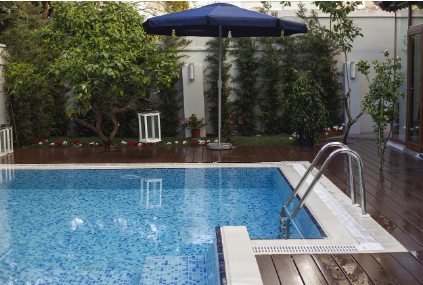
Understanding fibreglass pools cost in Adelaide in 2026 is essential for homeowners planning to invest in a backyard upgrade. With rising interest in outdoor living and increased demand across South Australia, fibreglass pools remain one of the most popular choices due to their durability, fast installation time, and relatively low maintenance compared to concrete alternatives.
However, the true fibreglass pools cost is not just about the shell itself. In Adelaide, total pricing is shaped by site conditions, council regulations, access restrictions, and the level of finishing required. As a result, two homes in different suburbs can have significantly different final project costs even for the same pool model.
Average Fibreglass Pool Pricing in Adelaide (2026)
In 2026, most Adelaide homeowners can expect fibreglass pools cost to fall within the following general ranges:
● Entry-level small plunge pools: $40,000 – $55,000
● Mid-sized family pools: $55,000 – $80,000
● Large or premium designs: $80,000 – $120,000+
These figures typically include the pool shell, standard excavation, basic plumbing, and installation. However, they do not always include landscaping, fencing upgrades, electrical work, or heating systems.
Adelaide’s geography also plays a role in pricing. Coastal areas like Glenelg or Henley Beach often require sand stabilisation, while hillside suburbs such as the Adelaide Hills may require cutting, retaining walls, or additional engineering. These variations can significantly influence final installation budgets.
Key Factors That Influence Total Pool Costs
The overall fibreglass pools cost in Adelaide is influenced by multiple technical and environmental factors that go beyond the pool itself.
1. Site Access and Excavation Complexity
One of the biggest cost drivers is how easily machinery can access the backyard. Narrow side access, sloping blocks, or established gardens can increase labour time and equipment requirements. In some cases, cranes may be needed to lift the pool shell into place, adding to the total cost.
2. Soil Conditions Across Adelaide
Soil composition varies widely across Adelaide suburbs. Reactive clay soils may require additional stabilisation, while sandy coastal soils may need reinforcement during installation. Soil testing is often required before work begins, and the results can affect engineering requirements.
3. Council Approvals and Compliance
Local council approvals in South Australia have become more detailed in recent years. Pool fencing regulations, setback requirements, and safety compliance inspections all contribute to both cost and project timeline. While these do not always represent large expenses individually, they add to overall planning complexity.
4. Pool Size, Shape, and Features
Larger pools naturally cost more due to increased material and installation requirements. Custom shapes, built-in seating, spa integrations, and tanning ledges also increase fibreglass pools cost. In 2026, many Adelaide homeowners are opting for modern rectangular designs with integrated shallow zones for family use.
Hidden Costs Homeowners Often Overlook
Many homeowners initially focus on base pricing but underestimate additional expenses that significantly affect the final budget.
Outdoor renovation is one of the most common overlooked costs. Once excavation is complete, gardens, lawns, paving, and retaining structures often need restoration or redesign. Depending on the scope, this can add several thousand dollars to the project.
Electrical work is another factor. Pools require compliant wiring for pumps, lighting, and sometimes heating systems. Energy-efficient variable-speed pumps are increasingly common in Adelaide homes, but they do increase upfront installation costs.
Heating systems, particularly solar and electric heat pumps, are also becoming more popular due to Adelaide’s extended swimming season. While they increase initial investment, they significantly improve usability throughout cooler months.
Long-Term Maintenance and Running Costs
While fibreglass pools are known for being low-maintenance compared to concrete pools, they still incur ongoing expenses. In Adelaide’s warm climate, regular maintenance is essential for water quality and equipment longevity.
Typical ongoing costs include:
● Pool chemicals for water balance
● Pump and filtration servicing
● Electricity for circulation systems
● Seasonal cleaning and maintenance checks
Over time, fibreglass pools are generally more cost-efficient due to their smooth gelcoat surface, which reduces algae buildup and cleaning frequency. This contributes to long-term savings despite the initial installation investment.
Budget Planning for a Fibreglass Pool in Adelaide
Effective budgeting for fibreglass pools cost in Adelaide requires looking beyond headline pricing. A realistic budget should include a contingency of at least 10–20% to account for unforeseen site issues or design changes during construction.
Homeowners should also compare multiple quotes from licensed installers, ensuring each quote includes the same scope of work. This helps avoid misleading price comparisons in which one quote excludes essential services, such as fencing or electrical connections.
Timing can also influence pricing. In some cases, scheduling installation during off-peak construction periods can improve availability and secure more competitive rates.
Final Thoughts
Investing in a fibreglass pool in Adelaide in 2026 is both a lifestyle upgrade and a long-term property enhancement. While fibreglass pools cost varies depending on site conditions, design choices, and compliance requirements, most homeowners fall within a predictable budget range once all factors are considered.
Careful planning, accurate quoting, and understanding hidden costs are key to ensuring a smooth installation process. With the right preparation, a fibreglass pool can provide decades of enjoyment while adding measurable value to Adelaide properties.




 An MHF consultant is a professional who specialises in helping facilities that store, process, or produce large quantities of hazardous chemicals comply with the stringent requirements of Australian Work Health and Safety (WHS) regulations. These experts support businesses through risk assessments, Safety Case development, regulatory submissions, and implementation of control measures that reduce the likelihood and impact of major incidents.
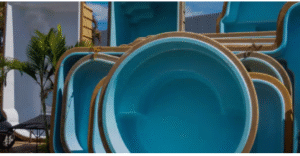 Adelaide’s warm climate and sunny days make it an ideal location for backyard pools. A swimming pool provides a private oasis where you can cool off in summer, entertain family and friends, or even stay fit with regular swimming.
 Before delving into the importance of NDIS audit support, it’s vital to understand what an NDIS audit entails. All NDIS providers are required to undergo an audit — either a verification audit for low-risk services or a certification audit for higher-risk, more complex services. These audits assess whether a provider’s systems, policies, and practices align with the NDIS Practice Standards.
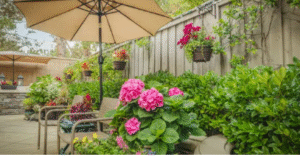 When shopping for a quality outdoor umbrella, durability should be your top priority. Outdoor conditions can be harsh, from scorching sun to sudden rain showers. That’s why choosing materials that can withstand the elements is essential.
 Security doors provide more than just protection; they offer peace of mind. Adelaide, while known for its vibrant culture and friendly neighbourhoods, is not immune to property crimes such as burglary and break-ins. A well-installed security door acts as a strong deterrent, making it significantly harder for intruders to gain access.