When it comes to ensuring year-round indoor comfort, choosing the right system is only half the equation—the other half is installation. A Daikin air conditioner, renowned for its cutting-edge technology and energy efficiency, is a top choice for many Australian homeowners. But installing one correctly is crucial for performance, longevity, and energy savings. Whether you’re in the humid tropics of Queensland or the cooler regions of Victoria, here’s what you need to know before, during, and after installation.
Why Professional Installation Matters
A common mistake some homeowners make is assuming that all air conditioners are the same and can be installed by just any technician. However, a Daikin air conditioner has specific requirements to perform at its best. Daikin systems are engineered with advanced inverter technology and intelligent climate control features that require precise setup and calibration.
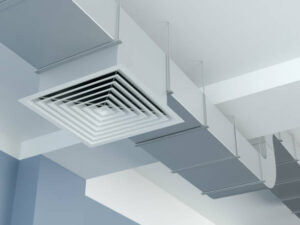
In Australia, it’s also a legal requirement that all air conditioning installations be carried out by a licensed technician certified by the Australian Refrigeration Council (ARC). Proper installation not only ensures compliance but also preserves your Daikin warranty. Cutting corners can result in poor airflow, inefficient cooling, and costly breakdowns.
Choosing the Right Model for Your Home
Before installation even begins, selecting the correct model is essential. A licensed technician or Daikin specialist will assess your home’s layout, insulation, room size, and orientation to recommend the best option. For instance, a split system is ideal for cooling individual rooms, while ducted systems are better for whole-home solutions.
In warmer climates like Perth or Darwin, higher capacity systems may be necessary. Conversely, in cooler zones like Hobart, heating capabilities (reverse cycle) become a more critical factor. This localised knowledge ensures the Daikin air conditioner you choose is tailored to your environment, optimising both performance and energy efficiency.
What to Expect During Installation
Once you’ve selected the right unit, your certified installer will handle every aspect of the setup—from mounting the indoor unit to positioning the outdoor compressor. A high-quality Daikin air conditioner requires careful placement to ensure airflow isn’t obstructed, the refrigerant lines are secure, and noise levels are kept to a minimum.
In Australia, most homes are constructed with varying wall materials—brick veneer, weatherboard, or concrete—which can affect installation time and approach. For example, a brick wall might require special drilling equipment, while a timber-framed house may allow for quicker mounting. Your installer should also check the power supply and ensure the unit is properly grounded to avoid electrical issues.
Compliance and Energy Efficiency Standards
Australia has some of the strictest energy efficiency and safety standards for air conditioning systems. The good news is that every Daikin air conditioner is designed with these standards in mind, with many models earning high star ratings under the Zoned Energy Rating Label (ZERL) system.
Your installer should provide a Certificate of Compliance and explain how your unit meets local regulations. This documentation is especially important if you’re applying for rebates under state or federal energy efficiency programs.
Post-Installation: What Happens Next?
After installation, your technician will demonstrate how to use your new Daikin system effectively. Modern units often include smart control options via Wi-Fi apps or integration with home automation systems. Understanding the modes—cooling, heating, fan, and dehumidifying—is key to getting the most from your unit.
Regular maintenance is also crucial. Filters should be cleaned every few months, and a professional service should be scheduled at least once a year. Keeping your Daikin air conditioner in peak condition ensures it continues to run efficiently and extends its lifespan.
Costs and Long-Term Value
Installation costs can vary depending on your location, the complexity of the job, and the type of system being installed. On average, installing a split system in an Australian home can range from $600 to $1,200, while ducted systems may cost several thousand dollars.
However, the long-term value of a Daikin air conditioner lies in its durability, efficiency, and superior performance. The brand’s commitment to innovation and environmental sustainability ensures you’re investing in a product that pays off through lower energy bills and fewer repairs over time.
Final Thoughts
Installing a Daikin air conditioner is one of the smartest choices you can make for your Australian home. With the right model, professional installation, and ongoing maintenance, you’ll enjoy consistent comfort in every season. Always work with certified installers, follow manufacturer guidelines, and stay informed about your system. This approach ensures that your investment not only enhances your lifestyle but also adds value to your property.
Whether you’re braving Brisbane’s heat or Melbourne’s four-seasons-in-a-day weather, Daikin offers a solution built for Australia’s diverse climate.