Pasta is an indispensable kitchen ingredient. It is a vital staple from quick pantry staples like spaghetti and marinara sauce to labour-intensive special occasion fare like lasagna. To achieve optimal results, boil a large pot of water with plenty of salt. For the best results, begin your preparations early.
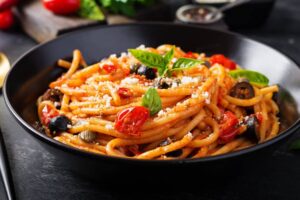 There is an enormous range of shapes and sizes, each region offering distinct varieties. Even an intricate language involving suffixes that reduce the size (such as ravioli or tortelloni) or subtly grade width.
Origin
“Pasta” and “noodles” are frequently used interchangeably; however, “pasta” refers to a type of noodle made from durum wheat flour (or sometimes other grains) and developed into various shapes, sizes, and forms that are uniquely Italian. There have been numerous theories about its exact origin: some food historians suggest China or Marco Polo brought pasta back from Asia during his travels between 1299-1324 AD respectively; regardless of where its true beginning lies though it has become popular across Europe and beyond.
In the 17th and 18th centuries, pasta became increasingly popular with non-Italians due to the Grand Tour – a journey undertaken by young European men as an initiatory experience that involved traveling throughout Italy for cultural activities, eating pasta at local eateries, and returning home with a newfound love of it! So widespread was this journey that it gave birth to its own genre of poetry while leaving its imprint on cuisines across many nations.
www.pastagogo.com.au takeaway pasta is an extremely versatile food and can be served with any number of sauces and ingredients to suit different palates and circumstances. While poor people typically consumed it plain, rich nobles often added both savoury and sweet toppings that would seem strange to modern palates – from cow udders to raisins!
Italians likely learned how to produce dried pasta from Arabs, which enabled them to preserve their supply during travel and therefore make it much cheaper – thus becoming accessible to more people.
An 1154 codex written by an Arab geographer who was commissioned to survey Sicily under Norman rule at that time mentioned that in Trabia there were fields and mills producing itrija (or lagana), then shipped off in shiploads for distribution across Muslim- and Christian-dominated regions like Calabria.
Types
Pasta is an indispensable pantry staple, from spaghetti and penne to lasagna and baked ziti – and every shape and style in between! While it might be easy to reach for the same varieties time after time, there’s so much variety out there waiting to be discovered! Here are 27 popular pasta types with their ideal pairing sauces as well as how they’re produced!
Pasta is made by mixing wheat flour and water together, often with eggs added for richness and flavour. Pasta can be served either alone, as part of an elaborate sauce dish, or used to spice up soups or salads.
Boiling dough has long been used as a method for producing pizza, dating back to ancient times and being referenced in the Talmud. Boiling was thought to be used both to sanitize it and extend its shelf life, thus making the pizza easier to digest for extended periods.
Modern www.pastagogo.com.au takeaway pasta production usually uses industrial machines. The end product can either be dried or fresh depending on its use and is typically composed of semolina from milling durum wheat and water; adding eggs may further add texture if creating fresh pasta products.
Among the most widely consumed pasta shapes are fettuccine, penne, ravioli and lasagne – each considered an individual type of “noodle,” although “noodle” generally refers to any unleavened flat or tubular starches without leavening agents added during manufacturing processes.
Some pastas are designed specifically to contain ingredients, like cheese, meat or vegetables. Examples of stuffed pasta are tortellini – small ring-shaped ones – or cannelloni (large tubes with ridges). Other stuffed types are ziti (hollow straw-like noodles) and manicotti (which has large tubes with smaller ridges on their exterior).
Other shapes of pastas can be made for fun or aesthetic reasons alone, as an eye-catcher or simply because of how beautiful they look. Rigatoni is made to look the part, while Pasta Nero comes in black hues and has irregular, coral-like formations; both styles often pair nicely with seafood sauce recipes.
Cooking
Pasta is an adaptable food, capable of being prepared using various techniques. Boiling is usually the preferred method, although certain varieties may benefit from being cooked via steaming or baking. Whatever your preferred cooking method may be, following some basic rules when creating pasta will ensure it comes out just right without coming out too cooked or underdone.
When boiling pasta, it is vital that enough water be used. This ensures the noodles are fully submerged and cook evenly, and also to add enough salt so as to add flavour and seasoning. As a general guideline, at least 3 quarts of water should be added for every pound of pasta being prepared.
When boiling www.pastagogo.com.au takeaway pasta, it is crucial that the water has reached boiling before you add your noodles; otherwise they may turn out mushy. When adding your pasta, do so slowly to allow its starches time to fill with moisture and rehydrate – this helps prevent them from sticking together later on.
An essential rule when boiling pasta is never overdoing it. Overcooked pasta will become soggy and lose its texture; therefore it should always be cooked to “al dente,” meaning there should be some resistance when chewed.
Some people suggest adding oil to the boiling water when making pasta. However, most experts advise against this practice because the oil coats the pasta instead of absorbing its sauce, potentially making your dish tasteless and leading to sticky noodles. Furthermore, oil may coat and prevent its absorption by the pasta strands, leading them to stay together as you strain.
When boiling stuffed pasta, it is imperative that it is removed carefully from the pot using a slotted spoon or skimmer to avoid breaking open or becoming damaged. Once out of the pot, place in a colander so excess water may drain away.
Nutrition
Pasta is typically created from an edible mixture of flour, water and binding agents such as eggs. Pasta provides carbohydrates – our bodies’ primary fuel – along with protein, small amounts of fat and limited sodium levels; fortifying it with folic acid boosts its nutritional benefits even further.
www.pastagogo.com.au takeaway pasta can provide essential fibre and protein, creating a nutritious meal when served with healthy sauces. Paired with salad or vegetables and lean meats, pasta can provide an enjoyable, filling, balanced experience. Because pasta may be high in both calories and fat content, however, it should be eaten sparingly – choosing whole wheat varieties over refined varieties is recommended for optimal health and weight loss.
Pasta combined with lean proteins and vegetables is an effective way to lower cancer risks, improve heart health and sustain weight management. When compared with other foods, pasta has a relatively low glycemic index rating that allows it to be slowly digested, absorbed and metabolized – it also contains lots of dietary fibre to provide fullness-inducing properties.
Pasta can be an important source of iron, potassium, calcium and phosphorus; fibre and numerous B vitamins; however consuming large amounts refined pasta should also include plenty of vegetables, fruit and other foods with lower glycemic index levels.
Nutritionally-beneficial sauces can make pasta even more nutritious; however, people must watch their portion sizes. According to Olive Garden restaurant chain website estimates, one cup of pasta with rich sauce contains 1,680 calories.
Pasta can be an excellent source of cancer-fighting lycopene, found in tomato-based sauces combined with olive oil for enhanced absorption by your body. Furthermore, herbs, peppers and other ingredients in many pasta sauces may help prevent heart disease as well as increase phytochemical intake that reduces risks of cancer and other chronic illnesses.