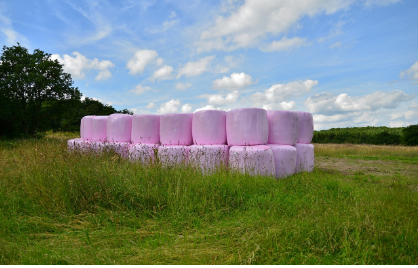
Australia’s farming industry is constantly evolving to meet the demands of productivity, environmental responsibility, and long-term profitability. As more producers look for practical ways to reduce waste without compromising forage quality, biodegradable bale wrap has become an increasingly attractive option. Unlike conventional plastic wraps, which require collection and disposal, biodegradable alternatives break down more naturally under the right conditions, helping farmers reduce their environmental footprint.
If you’re considering making the switch, understanding how biodegradable bale wrap works and whether it suits Australian farming conditions can help you make an informed investment.
Why Australian Farmers Are Looking Beyond Traditional Bale Wrap
Silage and hay preservation rely heavily on high-quality bale wrap to protect valuable feed from moisture, oxygen, and contaminants. However, traditional plastic wrap often creates disposal challenges, especially for farms producing hundreds or even thousands of bales each season.
Across Australia, growing environmental awareness and changing waste-management practices are encouraging producers to adopt more sustainable solutions. Reducing plastic waste not only benefits the environment but can also simplify farm operations over time.
Modern biodegradable wraps are being developed to deliver reliable crop protection while addressing the long-term issue of agricultural plastic accumulation.
What Is Biodegradable Bale Wrap?
Biodegradable bale wrap is made from materials engineered to decompose more efficiently than conventional agricultural plastics under suitable environmental conditions. While the exact composition varies between manufacturers, these products aim to reduce the amount of persistent plastic waste left behind after use.
Biodegradable agricultural packaging solutions are not designed to disintegrate immediately. Instead, they are formulated to maintain their strength during storage and feed preservation before beginning the degradation process under appropriate conditions.
Farmers should always follow the manufacturer’s recommendations for storage, application, and disposal.
Benefits for Australian Farming Operations
Reduced Environmental Impact
One of the biggest advantages is reduced long-term plastic waste. Australian farms often generate large volumes of used bale wrap each season, making disposal costly and time-consuming.
Using biodegradable alternatives supports more environmentally responsible farming practices while advancing sustainability goals.
Easier Waste Management
Managing used agricultural plastics often requires collection, transport, and recycling programs that may not always be available in regional areas.
Biodegradable options can reduce the burden of handling large quantities of discarded wrap, depending on local disposal regulations and product specifications.
Reliable Crop Protection
High-quality bale wrap must continue to provide an effective oxygen barrier during fermentation. Many modern biodegradable products are engineered to maintain excellent puncture resistance, stretch performance, and sealing capability throughout storage.
Choosing products from reputable manufacturers helps ensure consistent forage quality.
Is It Suitable for Australia’s Climate?
Australia presents unique agricultural challenges, including:
● High UV exposure
● Extreme summer temperatures
● Heavy seasonal rainfall
● Dry inland conditions
● Variable humidity
Because environmental conditions differ significantly between regions, farmers should select bale wrap specifically designed and tested for Australian climates.
Quality products often include UV stabilisation to withstand prolonged sunlight exposure during storage while remaining durable until the feed is ready for use.
Consulting your agricultural supplier ensures the chosen product matches your local conditions and harvesting schedule.
How to Maximise Performance
Even the best wrapping material performs poorly if you apply it incorrectly. Following best practices helps protect your investment.
Wrap at the Correct Moisture Level
Proper forage moisture promotes successful fermentation while reducing spoilage risks.
Apply the Recommended Number of Layers
Most manufacturers specify the optimal number of wrap layers needed for maximum oxygen protection.
Avoid Sharp Surfaces
Minimise punctures by handling wrapped bales carefully and storing them away from sharp objects, livestock, and machinery.
Inspect Bales Regularly
Routine inspections let you repair damaged areas quickly before air enters the bale.
Following these simple practices extends storage life and preserves valuable feed quality.
Cost Versus Long-Term Value
At first glance, biodegradable products may cost more than standard plastic wrap. However, purchase cost represents only one part of the overall value equation.
When evaluating options, Australian farmers should also consider:
● Plastic disposal costs
● Labour required for waste collection
● Environmental compliance
● Sustainability objectives
● Farm reputation
● Potential long-term operational efficiencies
For many producers, these broader benefits help justify the investment.
Choosing the Right Supplier
Not all bale wrap products perform the same. Before purchasing, look for suppliers that provide:
● Products tested under Australian conditions
● Strong puncture resistance
● Excellent stretch characteristics
● Reliable UV protection
● Consistent manufacturing quality
● Technical support and application guidance
Working with experienced agricultural suppliers can help ensure the wrap performs throughout the storage period.
The Growing Future of Sustainable Bale Wrapping
As Australian agriculture continues embracing environmentally responsible practices, demand for innovative wrapping solutions is expected to increase. Advances in material science are producing products that better balance durability, preservation performance, and environmental sustainability.
For producers seeking to reduce agricultural plastic waste while maintaining reliable forage protection, biodegradable bale wrap represents a practical step toward more sustainable farming operations. As technology improves, these products are likely to become an increasingly common choice across Australian livestock and mixed farming enterprises.
Conclusion
Selecting the right bale wrap is essential for protecting valuable hay and silage while supporting efficient farm management. With increasing attention on sustainability across Australia’s agricultural sector, biodegradable alternatives offer an opportunity to reduce plastic waste without sacrificing crop preservation.
By understanding product performance, following proper application techniques, and sourcing quality materials suited to Australian conditions, farmers can confidently evaluate whether biodegradable bale wrap is the right solution for their operation today and well into the future.