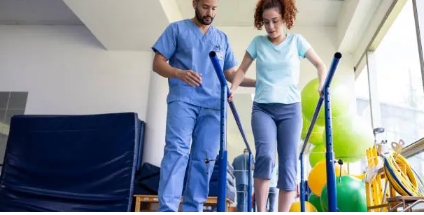
Recovering from anterior cruciate ligament (ACL) surgery requires a structured and carefully managed rehabilitation plan. If you’re searching for expert support, physio Port Adelaide services offer tailored programs designed to help patients in Adelaide, SA regain strength, mobility, and confidence after surgery. Understanding each phase of recovery is essential to achieving the best long-term outcomes and safely returning to daily activities or sport.
Understanding ACL Surgery Recovery
ACL reconstruction is a significant orthopedic procedure, typically performed to restore knee stability after ligament rupture. Post-operative recovery is not just about healing the surgical site—it involves restoring joint function, neuromuscular control, and overall lower limb strength. A guided rehabilitation program ensures that progress is steady while minimising the risk of re-injury.
In Adelaide, physiotherapy clinics emphasise evidence-based protocols that align with individual recovery timelines, ensuring optimal healing conditions.
Phase 1: Immediate Post-Surgery (Weeks 0–2)
The initial phase focuses on reducing swelling, protecting the graft, and restoring basic knee movement. During this period, patients often use crutches and may wear a knee brace to limit excessive strain.
Key goals include:
● Managing pain and inflammation through ice therapy and elevation
● Achieving full knee extension
● Initiating gentle range-of-motion exercises
● Activating the quadriceps muscle
Working with a physio Port Adelaide provider during this stage ensures exercises are performed correctly and safely, preventing complications such as stiffness or poor muscle activation.
Phase 2: Early Rehabilitation (Weeks 2–6)
As pain and swelling decrease, physiotherapy progresses to improving mobility and beginning light strengthening exercises. This phase is crucial for rebuilding foundational movement patterns.
Typical interventions include:
● Stationary cycling for low-impact mobility
● Closed-chain strengthening exercises (e.g., mini squats)
● Balance and proprioception training
● Gradual reduction in crutch use
Patients in Adelaide benefit from physiotherapists who adapt programs based on progress, ensuring that recovery remains on track without overloading the knee joint.
Phase 3: Strength and Control (Weeks 6–12)
By this stage, the knee should exhibit improved stability and range of motion. The focus shifts toward strengthening the muscles surrounding the knee, including the quadriceps, hamstrings, and glutes.
Rehabilitation strategies may involve:
● Progressive resistance training
● Step-ups and lunges
● Core stability exercises
● Advanced balance drills
A structured physio Port Adelaide program ensures that muscle imbalances are addressed, which is critical for preventing compensatory movement patterns that can delay recovery.
Phase 4: Advanced Rehabilitation (Months 3–6)
During this phase, patients begin more dynamic movements to restore agility and coordination. This is particularly important for individuals planning to return to sports or physically demanding activities.
Key components include:
● Plyometric exercises (jump training)
● Sport-specific drills
● Running progression programs
● Change-of-direction training
Physiotherapists in Adelaide often use functional testing to assess readiness for higher-level activities, ensuring the knee can safely handle increased loads.
Phase 5: Return to Sport (6+ Months)
Returning to sport or full activity is a milestone that requires careful evaluation. Even if the knee feels strong, underlying deficits may still exist.
A comprehensive return-to-sport assessment typically includes:
● Strength testing (limb symmetry)
● Functional movement screening
● Agility and endurance evaluation
With guidance from a physio Port Adelaide clinic, patients receive individualised clearance criteria, reducing the likelihood of re-injury and promoting long-term joint health.
Common Challenges During Recovery
ACL rehabilitation is a lengthy process, and patients may encounter several challenges along the way:
● Knee stiffness: Often caused by inadequate early movement
● Muscle weakness: Particularly in the quadriceps
● Fear of re-injury: Psychological readiness is just as important as physical recovery
● Swelling flare-ups: May occur if activity levels increase too quickly
Working closely with a physiotherapist helps address these issues promptly and ensures steady progression.
Why Physiotherapy is Essential
Physiotherapy plays a central role in ACL recovery by providing structured guidance, monitoring progress, and tailoring exercises to individual needs. Without proper rehabilitation, patients risk incomplete recovery, persistent instability, or future injuries.
In Adelaide, physiotherapy clinics are equipped with modern rehabilitation tools and experienced practitioners who understand the demands of both everyday movement and athletic performance. A personalised approach ensures that each patient receives targeted care aligned with their goals.
Tips for a Successful Recovery
To maximise outcomes after ACL surgery, consider the following:
● Follow your physiotherapy program consistently
● Avoid rushing through recovery phases
● Maintain open communication with your therapist
● Prioritise proper nutrition and hydration
● Get adequate rest to support tissue healing
Engaging with a physio Port Adelaide provider ensures accountability and professional oversight throughout your recovery journey.
Final Thoughts
Recovering from ACL surgery is a gradual but highly rewarding process when approached correctly. With the right physiotherapy support in Adelaide, SA, patients can regain full knee function, rebuild strength, and confidently return to their desired activities. A structured rehabilitation plan, guided by experienced professionals, is the key to long-term success and injury prevention.