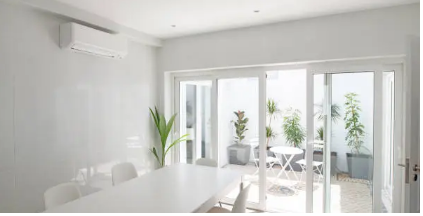
Slimline glass doors are increasingly becoming a preferred architectural feature for homes and commercial spaces across Adelaide, SA. Known for their minimal frames, expansive glass panels, and seamless indoor–outdoor flow, these doors suit Adelaide’s lifestyle, where natural light, alfresco living, and modern design are highly valued. This installation guide explains what Adelaide property owners should know before, during, and after installing slimline glass doors, ensuring compliance, durability, and long-term performance.
Understanding Slimline Glass Doors in the Adelaide Context
Slimline glass doors are engineered with narrow aluminium or steel frames that maximise visible glass while maintaining structural integrity. In Adelaide, they are commonly installed in contemporary homes, renovations, cafés, offices, and coastal properties seeking unobstructed views and enhanced ventilation. Because South Australia experiences hot summers, cool winters, and coastal exposure in suburbs such as Glenelg and Semaphore, proper product selection and installation are critical.
When planning slimline glass doors, local climate and wind loads must be considered alongside aesthetics. Professional installers in Adelaide understand how to adapt these systems to suit both suburban homes and commercial buildings, ensuring compliance with regional standards.
Pre-Installation Planning and Site Assessment
A thorough site assessment is the first step in any successful installation. Adelaide properties range from heritage homes with uneven openings to new builds with concrete slabs and steel lintels. Accurate measurements are essential, as slimline systems rely on precise tolerances.
During the planning stage, installers assess:
● Structural support for large glass panels
● Floor levels and drainage, especially for recessed tracks
● Wall materials common in Adelaide homes, such as double brick or rendered masonry
● Orientation of the opening in relation to the sun and prevailing winds
At this stage, homeowners should also consider glazing options. Double glazing or low-E glass is often recommended to improve thermal performance, particularly given Adelaide’s temperature fluctuations. Slimline glass doors specified correctly at this stage will perform better and require less maintenance over time.
Compliance with South Australian Standards
All installations must comply with Australian Standards, including AS 1288 for glass selection and installation, and AS 2208 for safety glazing. In Adelaide, council regulations and the National Construction Code (NCC) also influence installation requirements, particularly for commercial buildings and multi-residential developments.
Professional installers ensure that:
● Toughened or laminated safety glass is used where required
● Door systems meet wind loading requirements specific to South Australia
● Thresholds comply with accessibility and weatherproofing standards
Engaging licensed Adelaide installers reduces the risk of compliance issues that can delay projects or affect insurance and resale value.
Installation Process: What to Expect
The installation process typically begins with preparing the opening and installing the frame system. Slimline frames must be perfectly level and plumb to ensure smooth operation. Even minor deviations can affect door alignment and long-term performance.
Once the frame is secured, glass panels are installed using specialised lifting equipment due to their size and weight. Installers then fit rollers, tracks, and locking mechanisms, followed by fine adjustments to ensure effortless sliding or pivoting action.
At this stage, slimline glass doors are tested for smooth operation, weather sealing, and security. Adelaide installers often pay particular attention to dust and wind sealing, especially in areas exposed to coastal breezes or dry summer conditions.
Energy Efficiency and Comfort Benefits
One of the major advantages of installing slimline glass doors in Adelaide is the improved natural light and passive design benefits they offer. When positioned correctly, these doors allow winter sunlight to warm interior spaces while modern glazing technologies help reduce heat transfer during summer.
Energy-efficient installations can:
● Reduce reliance on artificial lighting
● Improve cross-ventilation during mild seasons
● Enhance indoor comfort without compromising views
For Adelaide homeowners focused on sustainability, slimline glass doors can be integrated into broader energy-efficient design strategies, including shading, insulation, and window placement.
Maintenance and Longevity in Adelaide Conditions
Ongoing maintenance is straightforward but essential. Adelaide’s environment, particularly in coastal suburbs, can expose frames and hardware to salt air and fine dust. Regular cleaning of tracks and periodic inspection of rollers and seals help maintain smooth operation.
High-quality slimline glass doors installed by experienced Adelaide professionals are designed to withstand local conditions, offering durability and long-term value when properly maintained.
Choosing the Right Installer in Adelaide
The success of any slimline glass door project ultimately depends on the installer’s experience and local knowledge. Adelaide-based specialists understand regional construction styles, council requirements, and environmental factors that influence installation outcomes.
When selecting an installer, look for:
● Proven experience with slimline systems
● Familiarity with South Australian standards
● Transparent warranties and after-installation support
Investing in professional installation ensures your slimline glass doors enhance both the visual appeal and functionality of your property for years to come.
By following this installation guide and working with qualified Adelaide professionals, property owners can confidently incorporate slimline glass doors into their homes or commercial spaces, achieving a refined, modern finish that complements South Australia’s lifestyle and architectural trends.