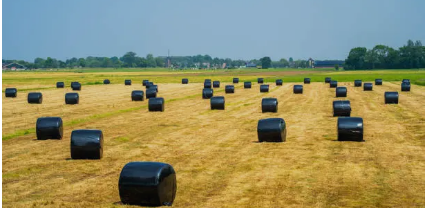
In the ever-evolving landscape of Australian agriculture, farmers continually seek innovative solutions to enhance efficiency, maintain quality, and protect the environment. Among these innovations, hay bale wrap has emerged as a game-changer, revolutionising how feed is stored and maintained across Australia’s diverse farming regions. From Queensland’s vast cattle stations to the dairy farms of Victoria, bale wrap is redefining sustainability and practicality in modern farming practices.
The Growing Importance of Bale Wrap in Australian Agriculture
Australia’s agricultural sector faces a unique set of challenges: unpredictable weather, prolonged dry spells, and the increasing pressure to maintain high-quality feed throughout the year. Traditionally, farmers relied on conventional storage methods such as hay sheds or tarps. However, these methods often resulted in nutrient losses and spoilage due to exposure to moisture and oxygen.
It is where hay bale wrap comes in. Designed to create airtight seals around bales, it significantly reduces spoilage and maintains the nutritional integrity of the feed. By keeping silage fresh for longer, farmers can better manage feed availability during droughts or harsh seasons — a crucial advantage in Australia’s climate.
How Hay Bale Wrap Enhances Feed Quality
The science behind bale wrapping lies in its ability to limit oxygen exposure. When hay or silage is tightly wrapped, the anaerobic environment slows down decomposition and encourages beneficial fermentation. This process locks in nutrients, improves palatability, and reduces waste.
For Australian livestock farmers, the use of hay bale wrap translates to more consistent feed quality and improved animal health. Cattle, sheep, and goats benefit from silage that retains more vitamins and proteins compared to unwrapped or poorly stored feed. Moreover, better-quality feed means higher productivity and profitability — a win for both animal welfare and the farm’s bottom line.
Sustainability and Environmental Benefits
Modern Australian farmers are becoming increasingly aware of their environmental impact, and bale wrap technology is supporting this shift toward sustainability. Today’s wraps are often recyclable and made from materials that reduce plastic waste compared to older designs.
Many Australian suppliers now offer eco-friendly hay bale wrap options that can be collected and repurposed into new agricultural products. Additionally, by reducing feed spoilage, farmers minimise waste and make better use of their harvested crops. This combination of efficiency and environmental responsibility aligns with the growing focus on sustainable farming practices across Australia.
Economic Efficiency and Cost Savings
While bale wrapping involves an initial investment, the long-term economic benefits are substantial. Farmers who use hay bale wrap report lower feed losses and higher silage yield per hectare. This improved storage efficiency enables producers to plan more effectively and budget more accurately for their livestock feeding requirements.
In regions like New South Wales and Western Australia, where weather extremes can significantly impact feed supply, having well-preserved silage ensures stability and reduces reliance on expensive imported feeds. By maintaining control over feed quality and storage, bale wrap helps Australian farmers enhance their resilience against both market fluctuations and climate variability.
The Role of Technology and Innovation
The evolution of bale wrapping technology has also contributed to its increasing popularity nationwide. Modern wrapping machines, whether stationary or mobile, are designed for speed, precision, and minimal manual effort. Advanced stretch films offer enhanced UV protection, improved tear resistance, and increased flexibility, making them well-suited for Australia’s harsh outdoor conditions.
With the introduction of smart farming practices, many producers now integrate data tracking to monitor bale conditions, wrapping tension, and film usage. These innovations ensure that hay bale wrap not only protects feed but also fits seamlessly into the data-driven approach of contemporary Australian agriculture.
Choosing the Right Bale Wrap for Australian Conditions
Not all wraps are created equal. Selecting the right hay bale wrap depends on factors such as climate, crop type, and the duration of storage. For example, in humid coastal areas, extra layers of wrap and UV-resistant films are recommended to combat mould and sun damage. In contrast, drier inland regions might prioritise strength and puncture resistance to handle rough terrain and transportation.
Australian suppliers typically offer a range of options tailored to local conditions, including multilayer films that strike a balance between durability and environmental performance. Farmers are also advised to store wrapped bales in shaded areas and on well-drained ground to further extend their lifespan.
The Future of Bale Wrap in Australia
As the agricultural industry continues to innovate, the role of hay bale wrap is expected to expand. With increasing focus on sustainability, manufacturers are developing biodegradable and compostable alternatives that could further reduce plastic dependency. Meanwhile, research into advanced film technologies aims to enhance oxygen barriers and improve recyclability.
In the years ahead, bale wrapping will likely become standard practice for both small-scale and commercial farmers throughout Australia. Its ability to protect valuable feed, reduce waste, and contribute to sustainable farming practices positions it as an indispensable tool in modern agriculture.
Conclusion
Australia’s farming future is increasingly shaped by technologies that balance productivity with sustainability, and bale wrap stands at the forefront of this transformation. By preserving feed quality, minimising waste, and supporting eco-friendly practices, hay bale wrap has become more than just a storage solution — it’s a cornerstone of efficient and responsible agriculture.
For farmers looking to future-proof their operations against climate and market challenges, adopting quality bale wrap solutions is a smart, sustainable investment that ensures both profitability and resilience in the ever-changing Australian agricultural landscape.